Frequently asked Questions
Direct answers.
No fluff.
Details on engineering background, working arrangement, and technical capabilities.
01
Who is Bill Odida?
I am a mobile engineer based in Nairobi, Kenya, specializing in Android, Kotlin Multiplatform, and Flutter. I design and build production-grade applications where architectural boundaries, reliable state flows, and resilient offline execution matter just as much as user interface polish.
02
What technologies and architecture patterns do you specialize in?
My core stack centers on Kotlin, Android (Jetpack Compose, Coroutines, Flow), Kotlin Multiplatform (KMP), and Flutter. For backends, I build and integrate with FastAPI and PostgreSQL. I design around unidirectional data flow, offline-first caching, and isolate-based background processing for stable releases under real network constraints.
03
Are you available for contract, consulting, or full-time roles?
Yes. I partner with engineering teams, startups, and product founders across defined engagement models: Senior/Staff Mobile Roles, Greenfield Architecture Builds, and Performance/Sync Audits. Typical engagements focus on designing KMP/Android/Flutter systems, building offline-first synchronization, untangling legacy state flows, and hardening release pipelines. Currently booking select Q4/Q1 engagements.
04
How do you handle remote collaboration across different time zones?
Operating from Nairobi (EAT / UTC+3), I overlap comfortably with European, UK, and East Coast US working hours. I rely on clear asynchronous communication, typed API contracts, and detailed documentation so distributed engineering teams maintain high momentum without waiting on real-time meetings for architectural decisions.
05
What scale and types of products have you engineered?
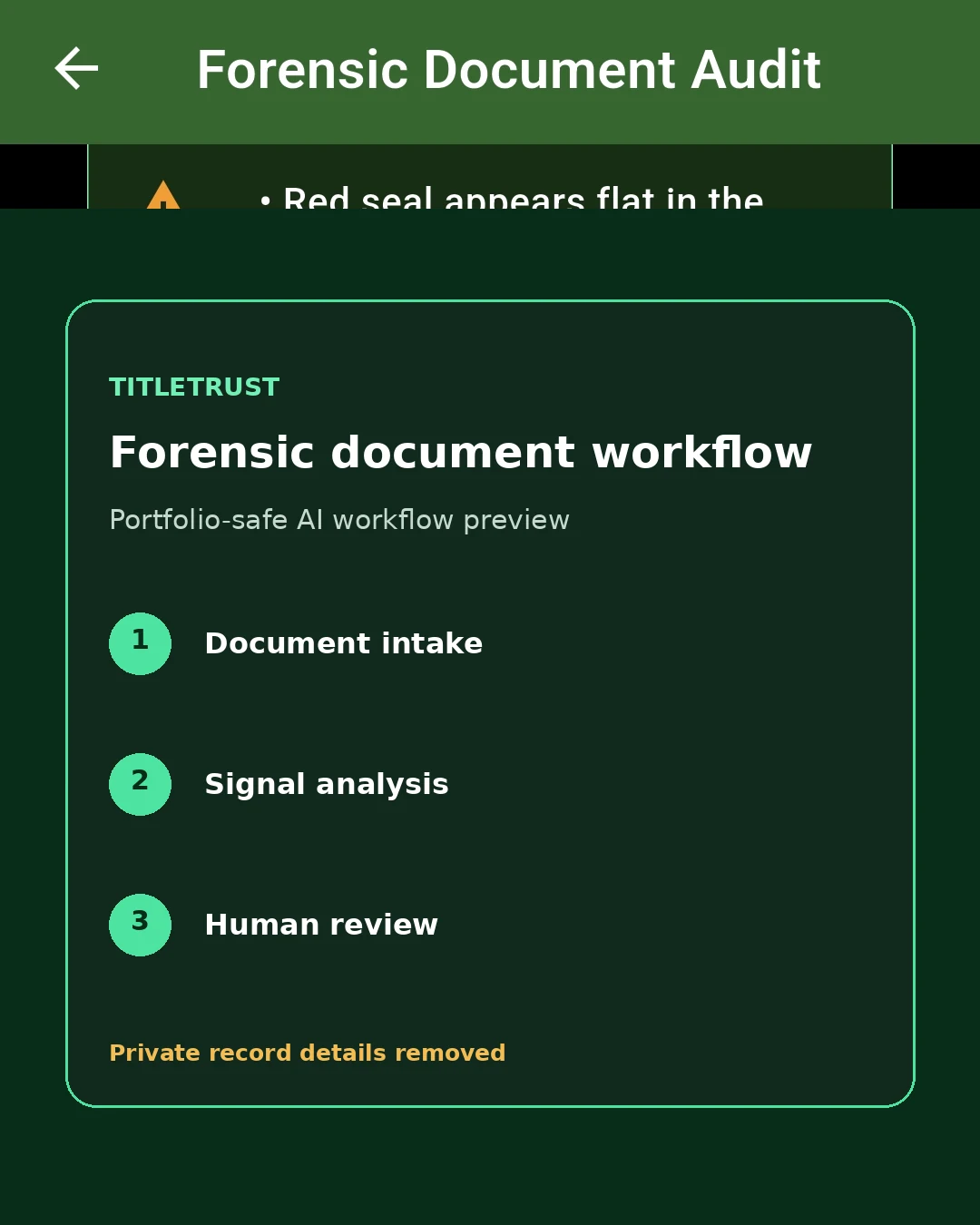
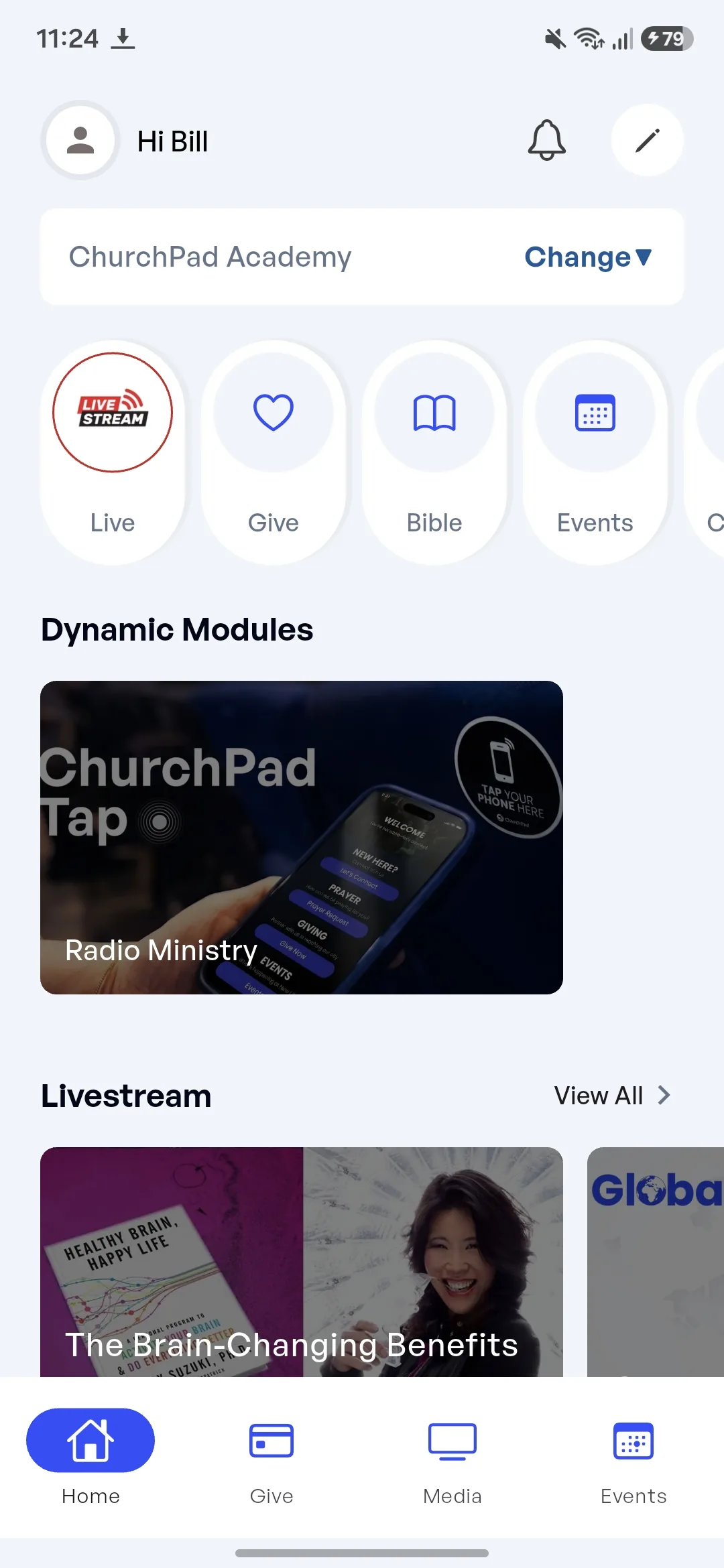
My work spans production systems including ChurchPad, a cross-platform community app scaled to over 100,000 active users with real-time chat and media streaming, alongside TitleTrust (geospatial fraud investigation with FastAPI), Affirmi (local-first personalization with Kotlin and Compose), and Dabclassic Radio (uninterrupted background audio streaming).
06
Do you publish open-source work?
Yes. I author SyncForge (`flutter_sync_engine`), an MIT-licensed offline-first synchronization toolkit for Dart and Flutter published on pub.dev. It provides vector clocks, field-level CRDT primitives, a retryable outbox, and durable Drift storage across six platforms. Currently in version 0.1.x, it focuses on core synchronization mechanics while active stabilization continues toward 1.0.
 01 / 06